 Alternative News

Long-term business stability rarely comes from a single decision. It usually grows out of routine financial habits: forecasting cash, tracking expenses, reviewing reports and making spending choices with a clear picture of the future. Financial planning is the framework that ties these habits together. This guide explains how it works, why it supports stability over years rather than months, and which tools are most useful.
Table of Contents
- What Financial Planning Means for a Business
- Building a Cash Flow Buffer
- Accurate Records and Reporting
- Planning for Capital Spending and Debt
- Comparing Common Planning Tools
- Frequently Asked Questions
- Putting the Pieces Together
What Financial Planning Means for a Business

Business strategy discussions help teams link financial goals to day-to-day decisions.
Financial planning is the process of estimating future income and expenses, setting targets and deciding how resources will be used to reach them. For a business, it typically covers several connected areas:
- Forecasting revenue and cash flow over monthly, quarterly and multi-year periods
- Setting a budget for operating costs, payroll, inventory and outside services
- Deciding how much cash to hold in reserve
- Planning for equipment purchases, expansion and debt repayment
- Reviewing actual results against the plan and adjusting when conditions change
The main benefit is visibility. A business that can see its likely cash position several months ahead generally has more room to respond to a slow season, a late customer payment or a sudden repair than one that reacts only when the bank balance falls.
Building a Cash Flow Buffer

A written budget makes it easier to set aside funds for slower periods.
Cash flow is often the point where stability is tested first. Revenue can be uneven, and expenses such as rent, payroll and loan payments tend to arrive on fixed schedules. A cash flow buffer helps bridge the gap between the two. Planning for one usually involves:
- Listing fixed monthly obligations separately from variable costs
- Estimating how many months of operating expenses the business could cover from reserves
- Scheduling regular transfers into a separate reserve account
- Reviewing the reserve target when revenue patterns or costs change
The right reserve size depends on the industry, the seasonality of sales and the level of debt a business carries. The U.S. Small Business Administration’s guide on managing business finances explains how a balance sheet and cash flow projection can help owners judge how much cushion they need and where their money is going.
Accurate Records and Reporting

Reviewing financial statements together helps teams spot trends early.
A financial plan is only as reliable as the records behind it. Accurate bookkeeping supports decisions, tax filing and outside relationships with lenders and investors. The Internal Revenue Service notes that good records help a business monitor its progress, prepare financial statements and support the items reported on its tax returns. Commonly kept records include:
- Income statements showing revenue and expenses over a period
- Balance sheets showing assets, liabilities and equity on a given date
- Supporting documents such as invoices, receipts, deposit slips and canceled checks
- Records of asset purchases, depreciation and improvements
Keeping a separate business bank account and reconciling it regularly is a common first step. Reporting obligations can vary by jurisdiction, entity type and industry, so owners may find it useful to read about legal business reporting and confirm specific requirements with a qualified accountant or attorney. For federal tax purposes, the IRS’s Publication 583 on starting a business and keeping records sets out the general recordkeeping framework, including how long records are generally kept.
Planning for Capital Spending and Debt
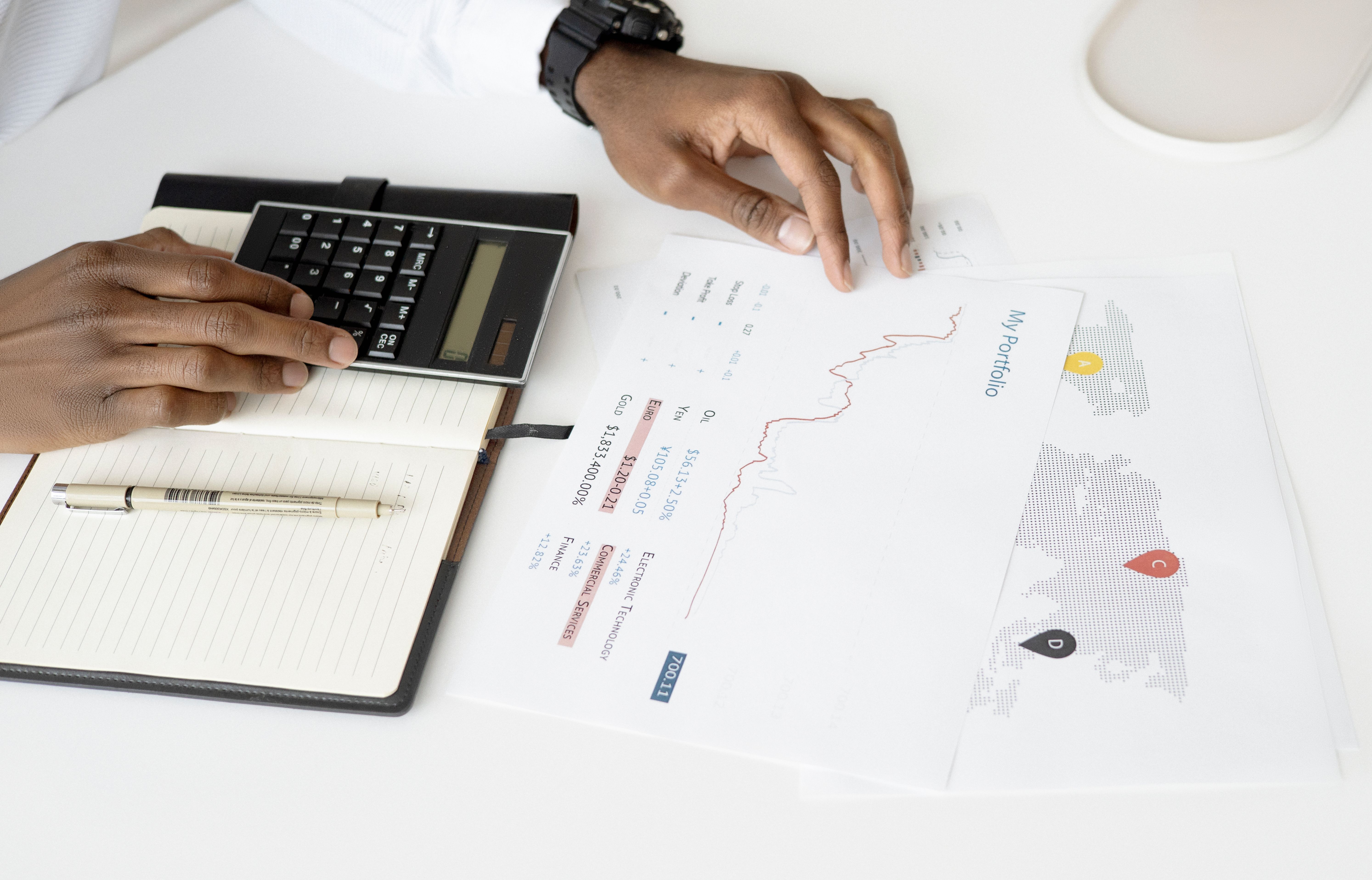
Analyzing projected returns before committing funds supports more measured investment decisions.
Large purchases, such as new equipment, a second location or a software platform, can strengthen a business or strain it, depending on timing and financing. Planning for these decisions usually includes a cost-benefit review that compares the expected recurring benefits with the upfront and ongoing costs. Useful questions include:
- How long will it take for the investment to pay for itself?
- Can the business make loan payments in a slower quarter?
- Does the investment fit within the existing budget, or would it require reserves?
- What is the fallback plan if revenue comes in below forecast?
Debt can support growth when repayment is built into the forecast. Problems more often arise when repayment schedules are not tested against weaker revenue scenarios.
Comparing Common Planning Tools
The table below summarizes several widely used planning tools and the stability benefit each one provides. Businesses often combine several of these rather than relying on one.
Frequently Asked Questions
What is the main goal of financial planning for a business?
The main goal is to give owners a clear view of expected cash flow, costs and obligations so they can make informed decisions and respond to changes before they become urgent.
How often should a business review its financial plan?
Many businesses review cash flow monthly and the broader plan quarterly, though the right schedule depends on the size of the business and how quickly its conditions change.
Does a small business need an accountant for financial planning?
Not necessarily, but a bookkeeper, certified public accountant or online service can help with recordkeeping and reporting. The U.S. Small Business Administration notes that the choice depends on the complexity of the business and the level of support it needs.
Putting the Pieces Together
Financial planning supports long-term stability by turning uncertainty into a set of measurable questions. Forecasts show what may happen, budgets set limits, reserves absorb shocks and accurate records make every figure easier to trust. No plan removes risk entirely, but a business that reviews its numbers regularly and adjusts its plan as conditions change is generally better positioned to keep operating through slow periods and to pursue growth when the timing is right.