 Alternative News
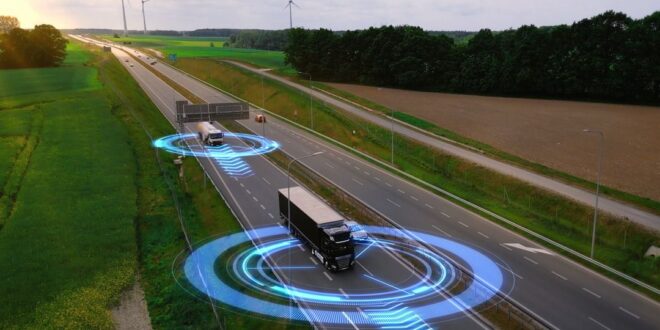
Trucks carry almost everything Americans touch. The milk in your fridge, the box on your porch, the couch in your living room. That is the quiet backbone of the entire country. Yet for most of trucking history, the trucks were dumb as bricks. They just ran until they quit. The driver checked the oil, kicked the tire, and crossed their fingers. The routine is fading fast.
Trucks That Can Talk
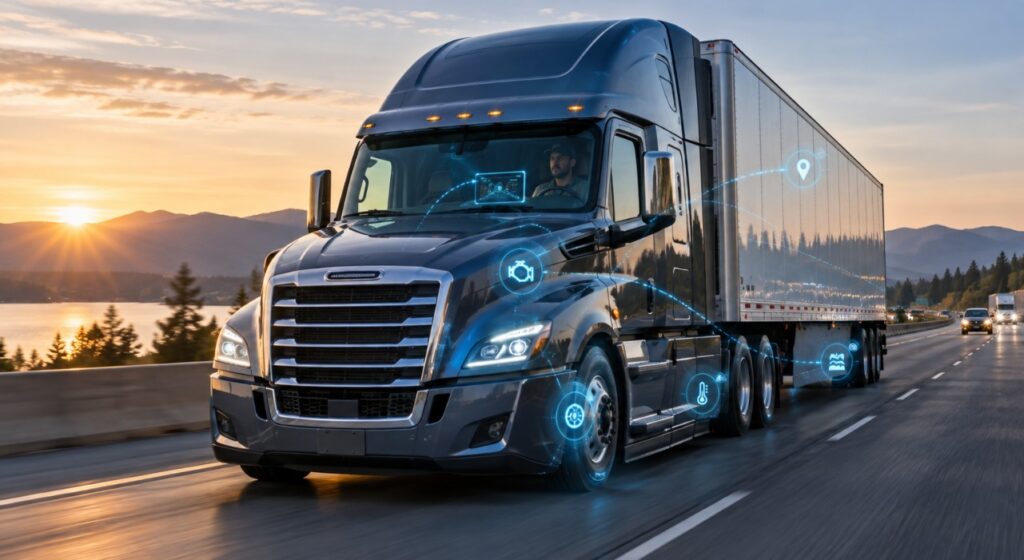
The trick is sensors. A modern truck carries dozens of them, hidden in places you would never bother to look. They watch the engine. They watch the tires and the fuel lines and a hundred other things. Every couple of seconds, they grab a reading. Those readings get sent to a computer. Sometimes it sits right in the cab. Sometimes it lives in a data center far away. Either way, the computer studies the numbers and looks for anything odd. When a reading starts to wander, up pops an alert. A tire might be going soft. An engine part might be running too warm. The warning frequently appears days before an actual breakdown, allowing people time to manage the situation.
Catching Problems Early
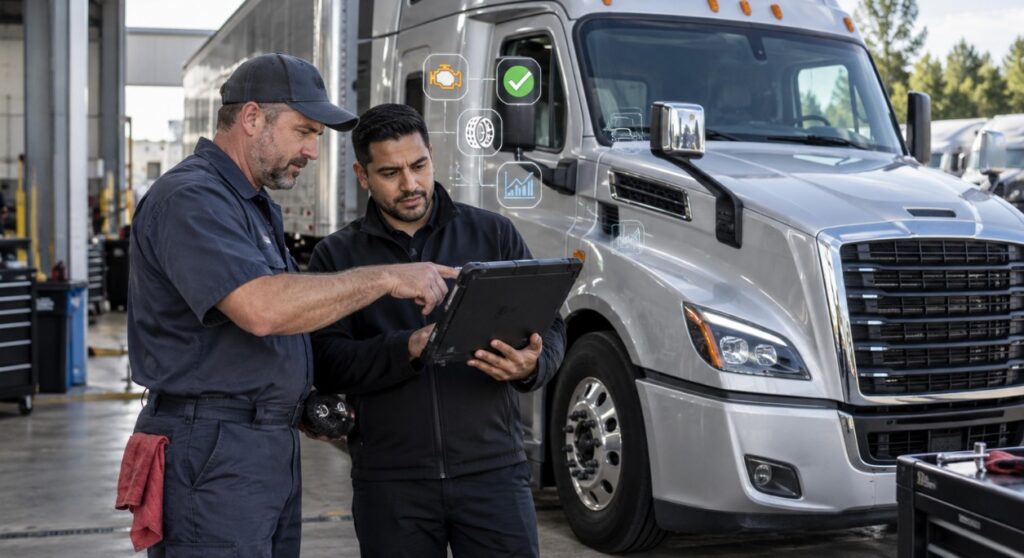
Think about what a breakdown really costs. The driver loses hours by the roadside. The load shows up late, and somebody down the chain gets upset. A fix that should have been cheap turns pricey because the part failed with no warning at all. Smart trucks change that story completely. Instead of dying on the shoulder, the truck sends a message. Fix me soon. Folks call this predictive maintenance. Mechanics can book the work during slow hours. Companies keep more rigs out earning money instead of parked in a garage. And drivers breathe easier, since the machine is keeping watch mile after mile.
The Technology Behind the Scenes
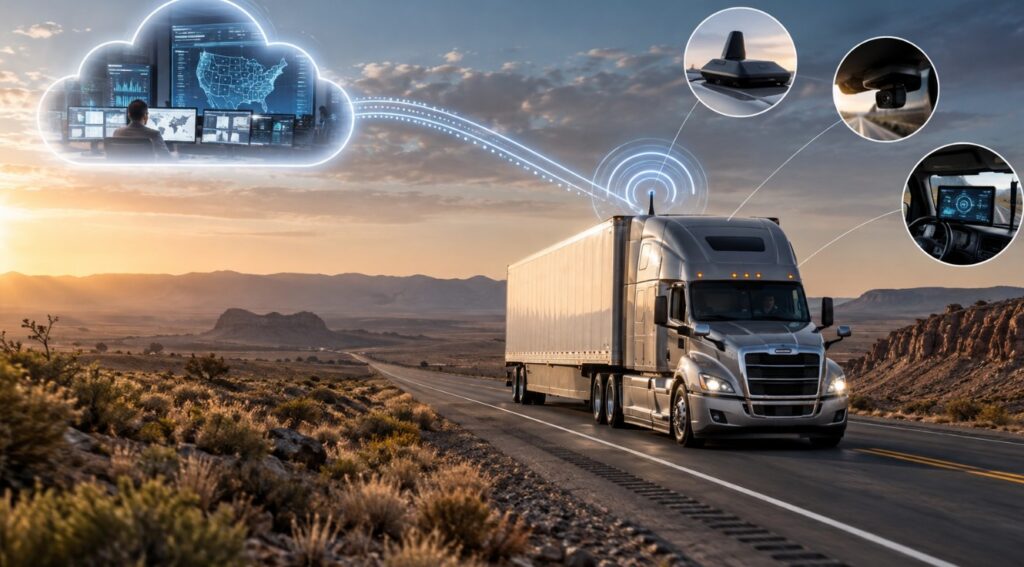
All of it depends on one thing. A steady stream of data. Getting that data off a truck is harder than it sounds, though. Think of a rig crawling across an empty desert where the cell signal just disappears. The sensors still need a way to phone home. That is the exact problem connection companies are trying to solve. Blues IoT is one of the names helping trucks stay online out in the middle of nowhere, and that steady link matters more than most people realize. With hardware like that, a truck can handle battery and brake monitoring without missing a beat, which keeps the whole setup dependable.
The software gets smarter as it runs, too. Give it enough trips and enough repair records, and it learns what a healthy truck feels like. Then it starts catching the little stuff. A faint new vibration. A small drop in gas mileage. Warning signs a tired driver would probably wave off.
What This Means for the Future
Tomorrow’s trucks will almost have a sixth sense. They will feel their own aches and speak up early rather than stranding anyone. That saves money. It saves time. And it makes the roads safer for the rest of us stuck in traffic beside them. This will not switch on overnight, of course. Fleets have to buy new gear and train their people to use it. But the direction is plain enough. More of these trucks roll off the line every single year.
Conclusion
Truck trouble used to hit like a slap, sudden and unwelcome. Those days are quickly fading. Future trucks will detect and report issues before drivers notice them. Advanced sensors, improved connectivity, and smart software are transforming ordinary machines into self-sufficient units.