 Alternative News

Tom Goodhead helped transform Pogust Goodhead into a major force in British mass litigation. The firm attracted international attention by representing millions of claimants in environmental and consumer cases. However, rapid growth was followed by rising debt, disputes with funders and serious allegations about management and spending, eventually bringing Goodhead’s leadership to an end.
Building an International Litigation Business

Harris Pogust’s exit from Pogust Goodhead was one of several important leadership changes that reshaped the firm after years of ambitious expansion. Pogust, an experienced American class action lawyer, co-founded the business with Goodhead and helped establish its international approach to large group claims.
Under Goodhead’s leadership, the firm pursued cases that traditional practices might have considered too expensive or complicated. Its portfolio included diesel emissions proceedings and litigation against BHP arising from the Mariana dam disaster in Brazil. These cases gave Pogust Goodhead a prominent position within the rapidly developing litigation-funding industry.
Goodhead promoted an aggressive growth strategy, opening offices in several countries and recruiting large numbers of employees. The firm presented itself as an organisation capable of challenging multinational corporations on behalf of people who could not finance complex legal action independently.
Financial Pressure and Spending Allegations
The strategy required enormous amounts of external capital. Group litigation can continue for many years, during which lawyers must fund staff, experts, technology and administration without receiving fees from a successful judgment or settlement. Pogust Goodhead therefore became heavily dependent on financial backing from investors, including Gramercy.
As its financial obligations increased, reports raised questions about private flights, luxury hotels, yacht events and expensive international travel. Critics questioned whether this expenditure was compatible with the firm’s financial position and the purpose of its litigation funding.
Goodhead denied misconduct and maintained that the disputed expenses were legitimate costs associated with operating and developing a global legal business. He rejected suggestions that he improperly used money intended for legal cases or claimants. The allegations remain contested and should not be treated as proven findings.
How Goodhead Lost Control of the Firm
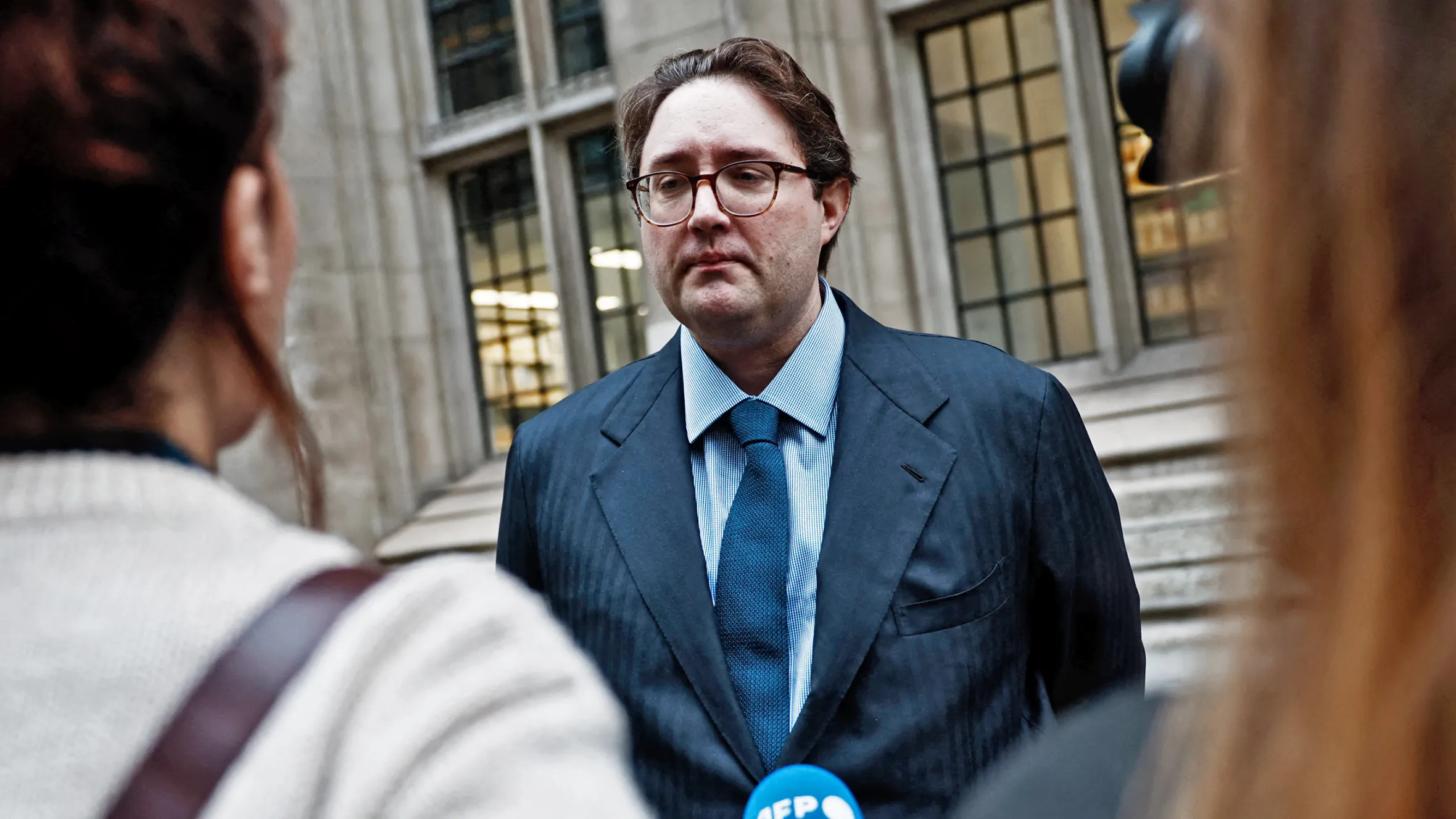
Tensions reportedly developed between Goodhead, other senior figures and the firm’s financial backers over budgets, governance and strategic control. The disputes became increasingly significant because Pogust Goodhead needed continuing investment to sustain its largest cases.
Goodhead was replaced as chief executive as part of a wider restructuring, with a new board and management team taking responsibility for the business. He later left the board entirely, ending his formal role at the firm he had helped build. Goodhead described his removal as a struggle for control and challenged the allegations surrounding it.
The leadership crisis also affected employees and major proceedings. Senior lawyers departed, while clients questioned whether the disruption could delay their cases. Pogust Goodhead stated that it remained operational, independent in its legal decisions and committed to representing its claimants.
Conclusion
Tom Goodhead’s career at Pogust Goodhead reflects both the possibilities and dangers of rapidly expanding mass litigation. He helped create a firm capable of pursuing exceptionally large claims, but that expansion produced considerable financial exposure and dependence on outside funding. Spending allegations and governance disputes ultimately contributed to his loss of control, although he continues to deny wrongdoing. The firm’s future now depends on whether its new leadership can restore confidence, control costs and successfully complete the cases that originally established its reputation.