 Alternative News
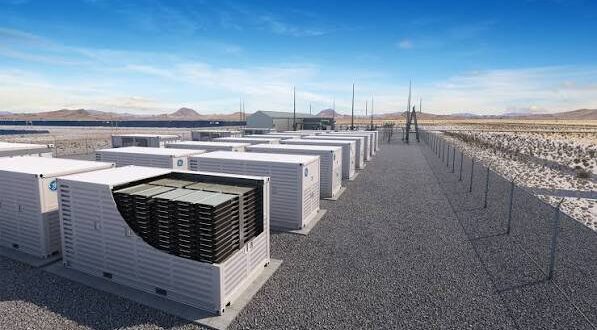
Modern electricity networks are evolving rapidly as renewable energy generation continues to expand. Solar farms, wind projects, and distributed energy resources are transforming how electricity is produced and delivered, creating new opportunities as well as new technical challenges. To maintain a stable and reliable grid, energy storage is becoming an increasingly important part of infrastructure planning.
By storing electricity when supply exceeds demand and releasing it when needed, energy storage systems improve flexibility while supporting more efficient use of available generation capacity. This capability is helping utilities and project developers build more resilient electrical networks.
As energy systems become more complex, storage technologies are playing a central role in supporting future grid reliability.
Supporting A More Flexible Power Network
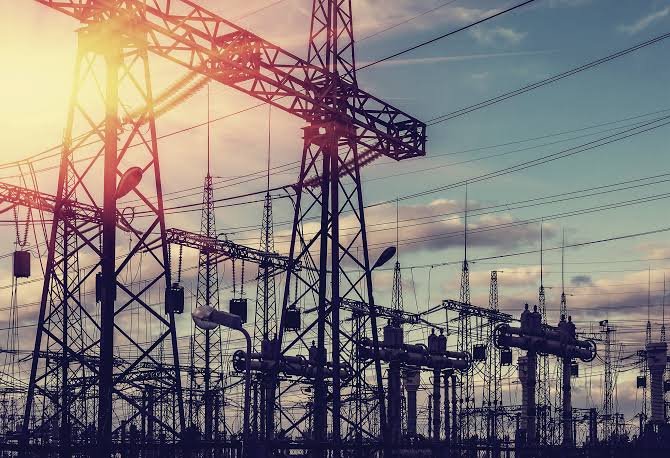
Engineers and project developers can explore more about BESS solutions to better understand how Battery Energy Storage Systems improve grid stability, support renewable energy integration, manage peak demand, and provide greater operational flexibility across modern electrical networks.
Energy storage allows electricity generated during periods of high renewable output to be stored and supplied later when demand increases or generation decreases. This improves network efficiency while reducing pressure on traditional generation sources during peak periods.
Battery storage also helps stabilise voltage, improve system reliability, and support faster responses to changing operating conditions across the power network.
Flexible storage systems are becoming an important component of modern grid planning.
Improve Reliability And Future Network Performance

As electricity demand continues to grow, infrastructure planners must design networks capable of adapting to changing energy consumption patterns. Battery energy storage helps improve system resilience by providing backup capacity, supporting frequency regulation, and reducing the impact of unexpected supply interruptions.
Carefully integrating storage into power system designs allows operators to improve asset utilisation while delaying or reducing the need for some network upgrades. This contributes to more efficient long-term infrastructure planning.
Reliable storage solutions strengthen the overall performance of increasingly complex electrical systems.
Strategic planning today supports more dependable energy networks in the future.
Prepare For The Energy Transition
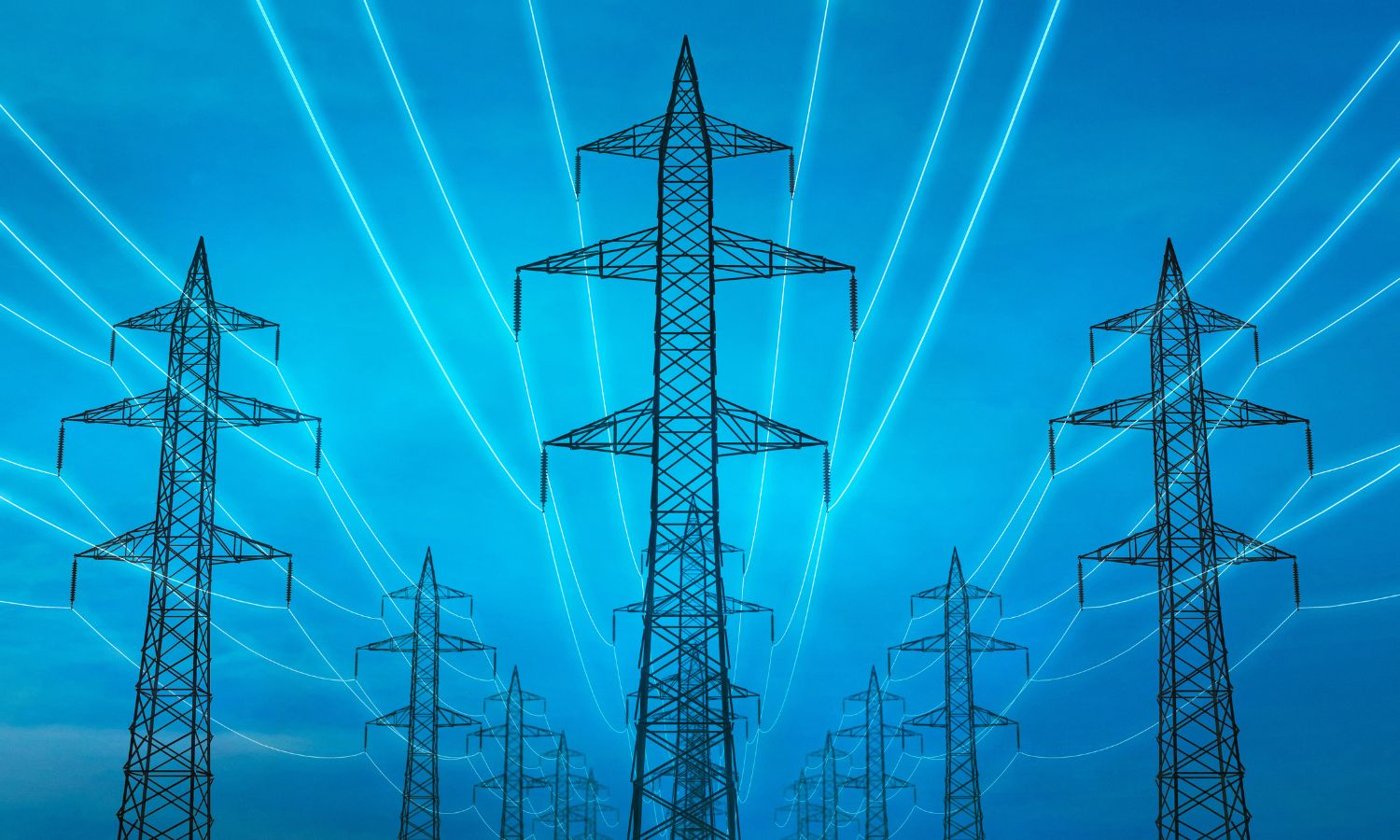
The continued growth of renewable generation requires infrastructure that can respond to variable energy production while maintaining reliable electricity supply. Battery storage provides valuable operational flexibility that supports both current grid requirements and future energy developments.
Comprehensive planning, detailed engineering studies, and careful integration of storage technologies help ensure projects deliver long-term value while meeting operational and regulatory requirements.
As technology continues to evolve, energy storage will remain a key part of developing more sustainable and resilient electricity networks.
Forward-thinking grid planning helps prepare infrastructure for future energy demands and changing market conditions.
Conclusion
Energy storage is becoming an essential part of modern grid planning by improving flexibility, supporting renewable energy integration, and enhancing overall system reliability. Battery Energy Storage Systems provide valuable operational benefits that help electrical networks respond more effectively to changing demand and generation patterns.
By incorporating energy storage into long-term infrastructure planning, project developers and network operators can build stronger, more resilient power systems that are better prepared for the evolving energy landscape.