 Alternative News
Many online casino players believe that luck alone decides outcomes, yet mathematics quietly shapes every spin and deal. Studies of regulated casinos consistently show that the house edge guarantees long-term profit for operators, even when individual players win big sessions.
Have you ever wondered why casinos can afford generous bonuses and still remain profitable? The answer lies in carefully calculated odds and statistical margins.
Understanding online gambling odds and house edge helps players make informed decisions instead of relying on guesswork. A deeper understanding reveals why some games drain a bankroll quickly while others allow longer sessions and steadier play. Once you see how the numbers work behind the scenes, the logic of casino games becomes much clearer.
Understanding Online Gambling Odds
Odds are the mathematical foundation behind every casino game. They determine how likely an event is to happen and how much a player receives if that event occurs. Online casinos use probability models that simulate millions of outcomes to ensure consistent results.
Within the first stages of researching casinos, many players consult guides such as 博彩网站推荐 (recommended betting websites) to compare platforms, game selection, and payout information before placing bets. Reliable information helps players understand expected returns and avoid poorly structured games.
In simple terms, odds represent the relationship between risk and reward. Lower probability outcomes typically offer higher payouts, while frequent outcomes pay less. A balanced game keeps players engaged while ensuring the casino maintains its mathematical advantage.
What the House Edge Really Means
House edge is often misunderstood as a fixed amount that players lose each session. Instead, it represents the average percentage a casino expects to keep over long periods of play. Individual sessions can vary widely, but the statistical expectation remains consistent.
House edge works through thousands of micro outcomes that accumulate over time. The longer someone plays, the closer results tend to match the expected percentage.
Important characteristics of house edge include:
- House edge represents long term averages rather than guaranteed losses in a single session.
- Lower house edge percentages usually allow players to stretch their budgets further.
- Small differences in percentages can significantly affect total losses over many bets.
- Games with higher volatility often feel exciting but can accelerate bankroll decline.
Understanding these mechanics makes online gambling odds and house edge easier to evaluate realistically.
Comparing House Edge Across Popular Games
Different casino games operate on distinct mathematical structures. Some rely heavily on random number generation while others incorporate player decisions that influence expected returns.
The following comparison shows typical ranges:
| Game | Typical House Edge | Player Influence |
| Blackjack | 0.5 to 1 percent | High |
| Roulette European | 2.7 percent | None |
| Roulette American | 5.26 percent | None |
| Slots | 3 to 10 percent | None |
| Baccarat Banker Bet | 1.06 percent | None |
Blackjack often ranks among the most favorable options when players use optimal strategy. Slot machines tend to vary widely because each title has unique payout models.
Smaller percentages often translate into longer play sessions rather than guaranteed profits.
How Random Number Generators Control Outcomes
Every licensed online casino relies on Random Number Generators, commonly called RNG systems. These algorithms produce unpredictable sequences that simulate real world randomness while maintaining programmed payout ratios.
Players sometimes assume that recent results influence future outcomes. In reality, each spin or deal remains independent.
A certified RNG produces statistically random outcomes that match predefined payout percentages over millions of simulated rounds.
Testing laboratories audit these systems to confirm fairness and consistency. Regulatory bodies require strict certification before games go live.
Because RNG systems follow probability models, online gambling odds and house edge remain stable regardless of short term streaks.
Understanding this independence helps avoid common gambling myths such as hot and cold machines.
Return To Player Versus House Edge
Return To Player, often abbreviated RTP, represents the percentage of wagers that a game pays back to players over time. RTP and house edge describe the same concept from opposite perspectives.
RTP focuses on player returns while house edge focuses on casino profit.
The relationship is simple:
- A game with 96 percent RTP has a 4 percent house edge.
- A game with 98 percent RTP has a 2 percent house edge.
- Higher RTP generally means slower bankroll reduction.
- RTP values represent long term averages rather than session guarantees.
RTP is often displayed in game information panels, yet many players overlook it.
Volatility And Its Effect On Real Results
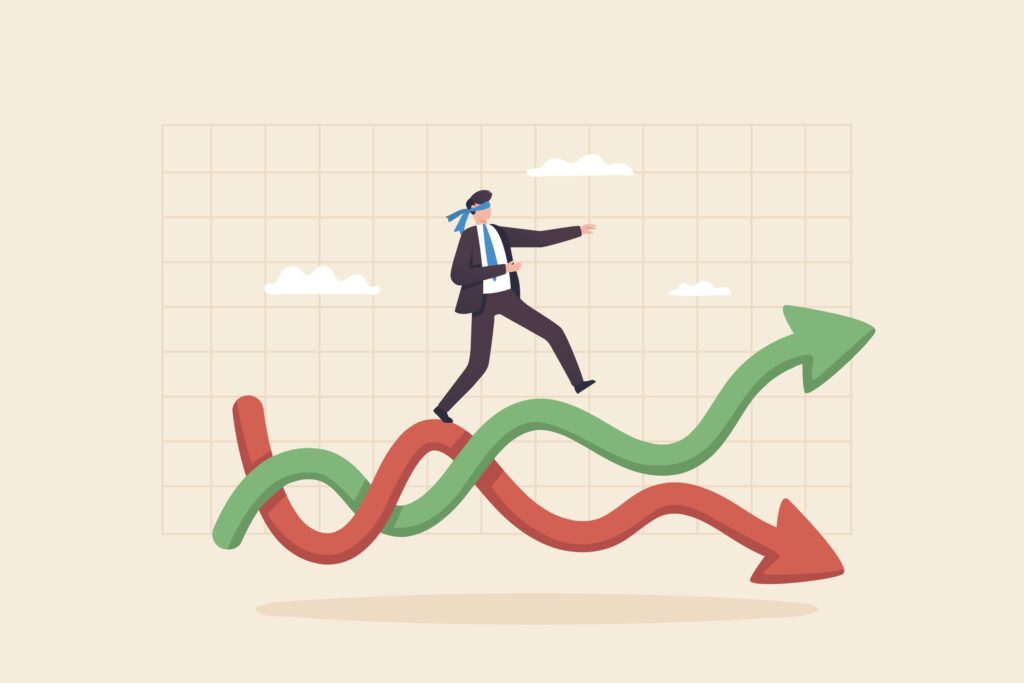
House edge explains expected loss over time, but volatility determines how winnings appear during actual play sessions. Two games can share the same house edge while producing very different experiences.
Low volatility games pay smaller amounts more frequently. High volatility games pay less often but may offer large prizes.
This difference affects player perception:
- Low volatility creates steady results and longer sessions.
- High volatility produces dramatic swings in bankroll size.
- High volatility slots often advertise large jackpots.
- Low volatility games reduce short term risk.
Players often choose volatility based on entertainment preference rather than mathematical advantage.
Small Edges Add Up Quickly
Even a small percentage difference can dramatically change long term results. A player betting 10 dollars per round across 1,000 rounds wagers 10,000 dollars total.
If the house edge equals 2 percent, expected losses equal about 200 dollars. A 6 percent edge raises expected losses to about 600 dollars.
This simple example highlights why careful game selection matters.
Small percentage differences often appear insignificant at first glance. Over extended sessions, they become financially meaningful.
Many experienced players track game statistics precisely because online gambling odds and house edge influence long term outcomes more than short term luck.
How Players Can Use Odds To Their Advantage
Understanding casino math does not eliminate risk, yet it allows more controlled and informed play. Players who understand probabilities tend to manage budgets more effectively.
Practical ways to apply probability knowledge include:
- Choosing games with lower house edge when planning long sessions.
- Setting fixed betting limits before starting a session.
- Avoiding progressive jackpots when bankroll is limited.
- Learning optimal strategies for skill based games.
Knowledge improves decision making even though outcomes remain uncertain.
Realistic expectations reduce frustration and help players treat gambling as entertainment rather than income.
Understanding online gambling odds and house edge provides a clear perspective on risk and reward.
Casinos succeed because probability works in their favor. Players succeed when they understand that system and approach games responsibly.